
What Is Finger Food Catering? Everything You Need to Know
Think of a menu where you do not need to choose one single main course. Think of a magical moment wh...
Read article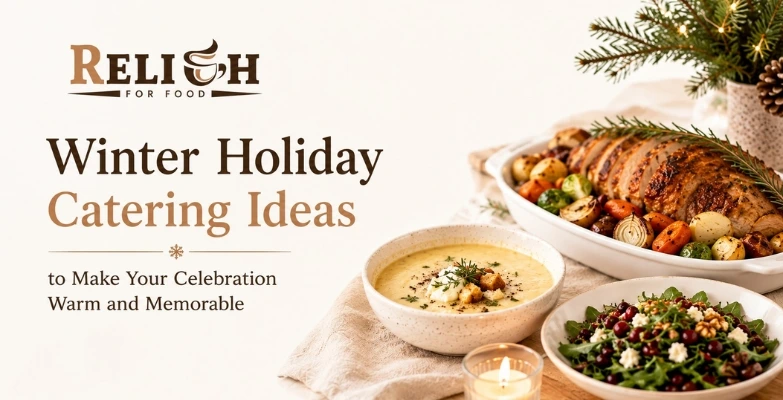
There is something so warm about a Wellington winter that makes people want to gather. The wind picks up off the harbour, the evenings arrive earlier than you'd like, and suddenly the idea of being somewhere warm; with good food, good company, and a drink that heats you from the inside... sounds like exactly the right plan.
That is the spirit that winter holiday catering should capture. Not just food on a table, but a whole atmosphere. Something that makes guests pull their chairs a little closer, stay a little longer, and leave feeling like they were genuinely looked after.
Whether you are planning an end-of-year office celebration, a family gathering over the holidays, or an intimate dinner for a smaller group, the catering decisions you make set the tone for all of it. This guide covers what works in a Wellington winter; the food, the formats, the details that make a real difference.
Winter holiday catering is the planning and delivery of food and beverage experiences for festive events held during the colder months. It includes everything from seasonal menu design and food station setup to full service staffing and post-event cleanup.
It is not just about warm food; though that matters a lot. It is about building a catering experience that fits the season. The right textures, the right aromas, the right service pace for an evening when nobody really wants to rush.
The best winter celebration food is hearty, warming, and visually rich... think slow-cooked proteins, roasted root vegetables, spiced sauces, and desserts that feel genuinely indulgent rather than just decorative.
Wellington winters are properly cold. Guests arrive already chilled from the walk in. What they want first is warmth, something to hold, something that steams, something with depth of flavour that a summer canapé simply cannot deliver. The food needs to do some heavy lifting on the atmosphere side, not just the nutritional side.
Here is a simple breakdown of what tends to work best:
| Food Style | Best For | Why It Works in Winter |
| Slow-cooked sharing platters | Casual gatherings, family events | Rich flavours, generous portions, communal feel |
| Warm canapés and passed bites | Cocktail events, corporate functions | Guests stay mobile and warm simultaneously |
| Grazing boards with seasonal produce | Pre-dinner or cocktail hour | Visual impact, suits all dietary needs |
| Seated multi-course dinner | Formal events, milestone celebrations | Considered, unhurried, suits the season's mood |
| Interactive stations | Large events, end-of-year parties | Keeps energy up, gives guests something to engage with |
The format you choose matters almost as much as the food itself. A warm canapé passed around a room keeps people circulating. A shared platter brings people together around a table. Each one creates a different kind of gathering.
The best winter holiday menus lean into seasonal ingredients, warming spices, and comfort food elevated just enough to feel special. The goal is food that feels like it belongs to the moment, not a menu that could have been served in February.
Planning holiday catering for a large group in winter adds a few extra layers to the standard catering brief, mainly around keeping food hot, managing a room that fills up with cold guests, and creating an atmosphere that does not feel like a summer event that has simply been moved indoors.
Here is how to approach it:
Where guests enter, where food is positioned, and where heating is available all affect how the event feels from the moment people arrive. Work with your caterer to design a layout that guides guests naturally toward warmth and food.
In winter, hot food that sits out too long loses more than just heat, it loses its appeal. Plan service timing carefully. Warm canapés should be passed, not plated and left. Hot stations should be staffed so food is served at the right temperature throughout.
A large group will always include guests with dietary needs. Collect requirements before the event and share them with your caterer in advance. In winter, the challenge is making sure that plant-based, gluten-free, and allergen-free options are just as warm and satisfying as the main menu; not an afterthought.
Winter events benefit enormously from a thoughtful drinks offering. Hot drink options alongside the standard bar, whether that is a mulled wine station, a hot cider, or a barista coffee setup, give guests something to hold and something to talk about.
Final guest numbers, any last-minute dietary changes, setup timing, and service schedule should all be confirmed two days out. A well-prepared caterer will prompt you for this. One that doesn't is a warning sign.
When the nights are long and the to-do list is longer, the last thing you want to be thinking about is whether the food will be ready on time. Professional catering services take that entire layer of stress off the host, menu planning, ingredient sourcing, preparation, presentation, service, and cleanup are all handled so you can actually be present at your own event.
Good catering services also bring something that no amount of home cooking can replicate at scale: consistency. Every guest eats well. Every dish comes out at the right temperature. Every dietary need is accounted for. That reliability is what the best events run on, and it is what separates a celebration that genuinely impresses from one that just gets by.
At Relish for Food, we design winter menus that are built for Wellington's climate and the specific warmth a winter celebration needs. From intimate dinners to large end-of-year functions, we handle every detail so you don't have to.
If you are planning a winter holiday event in Wellington and want catering that genuinely elevates the experience, the team at Relish Cafe would love to help you build something your guests will remember long after the last dish is cleared.
Get in touch and let's start planning.